Harshvardhan Mishra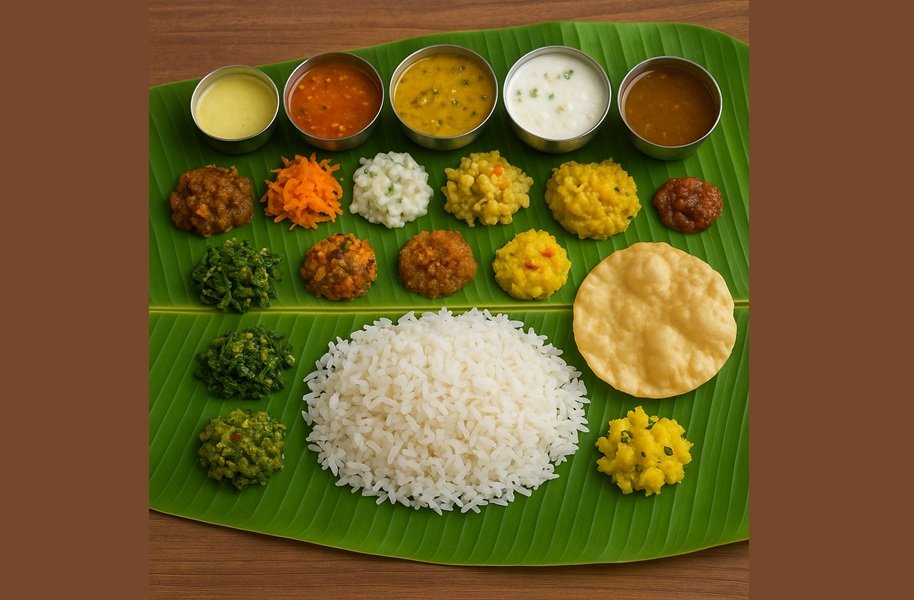
When you think of South Indian traditions, one vibrant image instantly comes to mind — a delicious meal served on a fresh green banana leaf. Whether it’s a wedding, a festival, or a religious ceremony, banana leaves are an integral part of South India’s rich culinary culture. But with modern plates easily available today, why does this age-old tradition continue to thrive?
Let’s explore the fascinating reasons behind this beautiful and meaningful practice.
1. Eco-Friendly and Sustainable
Long before sustainability became a buzzword, South Indians had already embraced eco-friendly dining practices through the use of banana leaves.
- 100% Biodegradable: Banana leaves naturally decompose without harming the environment, unlike plastic or ceramic plates that involve heavy manufacturing processes.
- Minimal Processing: Harvested fresh, these leaves only require a simple rinse — no detergents or chemicals needed.
- Zero Waste: After the meal, banana leaves can be fed to cattle, composted, or left to naturally return to the earth.
In today’s world of environmental consciousness, eating on banana leaves reminds us of traditional wisdom that was truly ahead of its time.
2. Hygienic and Naturally Healthy
Far from being outdated, banana leaves are incredibly hygienic and even healthier than many modern dining options.
- Natural Antibacterial Properties: Banana leaves contain polyphenols — natural compounds with antibacterial benefits — helping to prevent contamination and foodborne illnesses.
- Single-Use Freshness: Each person is served on a fresh leaf, reducing risks of cross-contamination.
- Chemical-Free Cleaning: A simple wash with clean water is enough — no chemical residues like those left by dishwashing soaps.
Moreover, when hot food is placed on the leaf, it slightly wilts, releasing subtle aromas and beneficial antioxidants into the food.
3. Enhances Taste and Aroma
Eating on a banana leaf isn’t just traditional — it’s a sensory delight!
- Unique Aroma: Hot food releases a sweet, earthy fragrance from the leaf, subtly enriching the flavors of each dish.
- Natural Non-Stick Surface: The waxy coating on banana leaves prevents food from sticking, making it perfect for enjoying curries and sweets.
- Flavorful Mix: South Indian meals like sambar, rasam, poriyal, and payasam are designed to be eaten together, allowing flavors to mingle beautifully on the leaf.
A banana leaf doesn’t just serve food — it elevates the entire dining experience.
4. Cultural and Spiritual Importance
In South India, food is seen as sacred, and eating is often treated as a spiritual act.
- Symbol of Prosperity: In Hinduism, banana plants symbolize purity, prosperity, and auspiciousness. Serving food on banana leaves reflects honor and hospitality.
- Integral to Ceremonies: Major festivals like Onam, Pongal, Vishu, and life events such as weddings always feature grand feasts served on banana leaves.
- Ayurvedic Wisdom: Ayurveda suggests that eating close to nature — with hands and on natural materials — promotes mindfulness and better digestion.
Thus, a simple banana leaf turns every meal into a sacred ritual connecting the body, mind, and soul.
5. Practical and Economical
Banana leaves aren’t just symbolic — they’re also a smart, practical choice.
- Abundant in Nature: The tropical climate of South India ensures a steady supply of banana plants.
- Spacious Surface: One leaf can hold a full-course meal — appetizers, main courses, sides, and desserts — all beautifully arranged.
- Convenient Disposal: After eating, the leaf can simply be folded and composted — no dishwashing needed!
- Natural Cooling Effect: The leaf’s surface helps cool hot food faster, ideal for South India’s humid weather.
Additional Benefits of Eating on Banana Leaves
Beyond the main reasons, there are even more hidden advantages to this tradition:
6. Extremely Affordable
Compared to buying ceramic or metal plates, banana leaves are incredibly inexpensive. They are sold in bulk at markets, especially during festive seasons, making them perfect for large gatherings.
7. Rich in Antioxidants
Banana leaves are naturally packed with polyphenols — powerful antioxidants also found in green tea — that seep into hot food, offering unexpected health benefits like boosting immunity and slowing down aging.
8. Waterproof by Nature
Thanks to their natural waxy coating, banana leaves can easily hold liquid dishes like rasam and sambar without leaking, making them the perfect natural alternative to synthetic plates.
9. A Green Alternative to Plastic
During big celebrations, people often turn to disposable plastic or foam plates, which harm the environment. Banana leaves, on the other hand, are fully compostable and help reduce landfill waste.
10. Perfect for Grand Feasts
The size of a banana leaf is ideal for serving elaborate South Indian feasts like the Sadhya, where dozens of dishes are artfully arranged side by side — no extra plates needed!
Conclusion
Dining on a banana leaf is much more than an age-old custom — it’s a celebration of sustainability, health, spirituality, and practicality. In a world increasingly focused on mindful living and eco-conscious choices, this traditional practice remains a shining example of living in harmony with nature.
The next time you sit down to enjoy a South Indian meal served on a banana leaf, remember — you’re not just enjoying a delicious spread. You’re taking part in an ancient, eco-friendly, and soul-nourishing tradition that continues to inspire and enrich lives even today.